

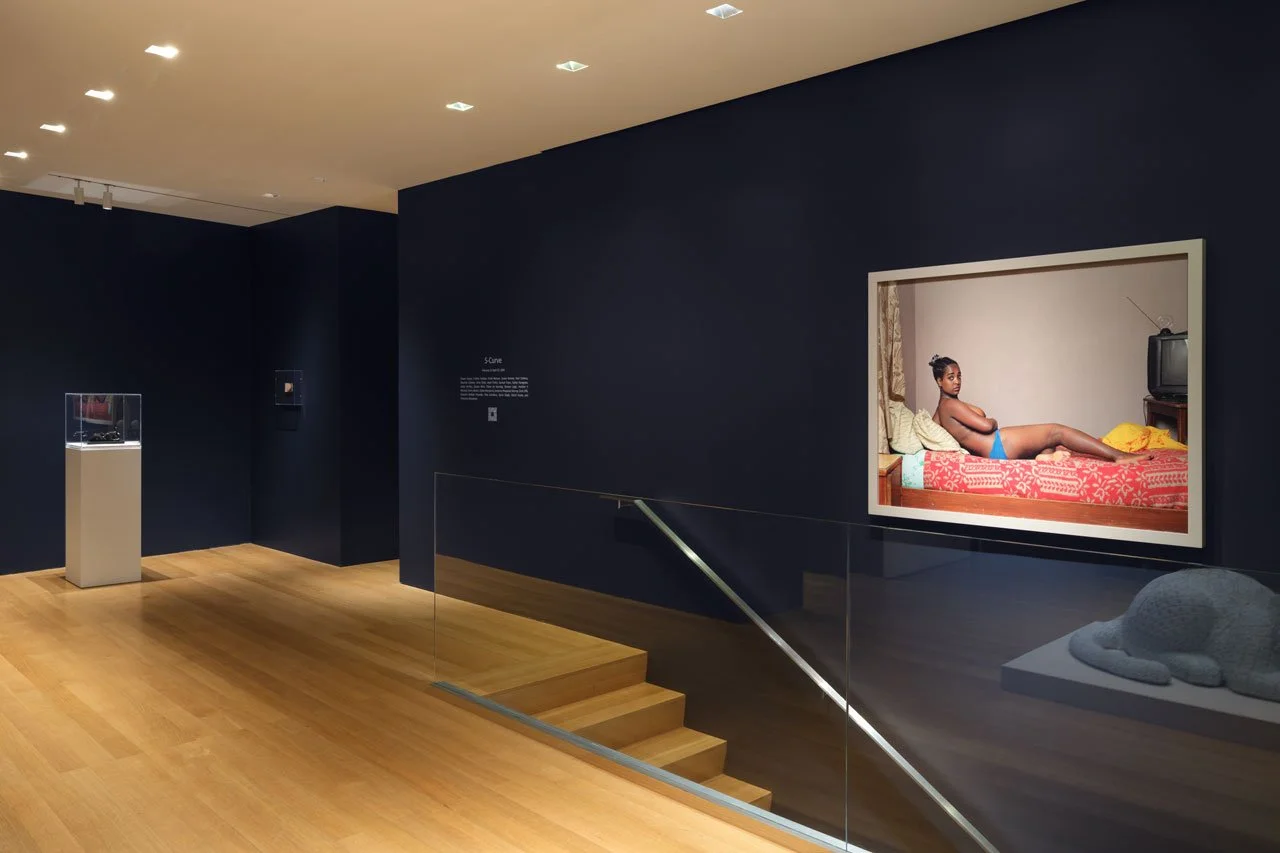
Installation view of S-Curve at The FLAG Art Foundation, 2026
Photography by Steven Probert Studio
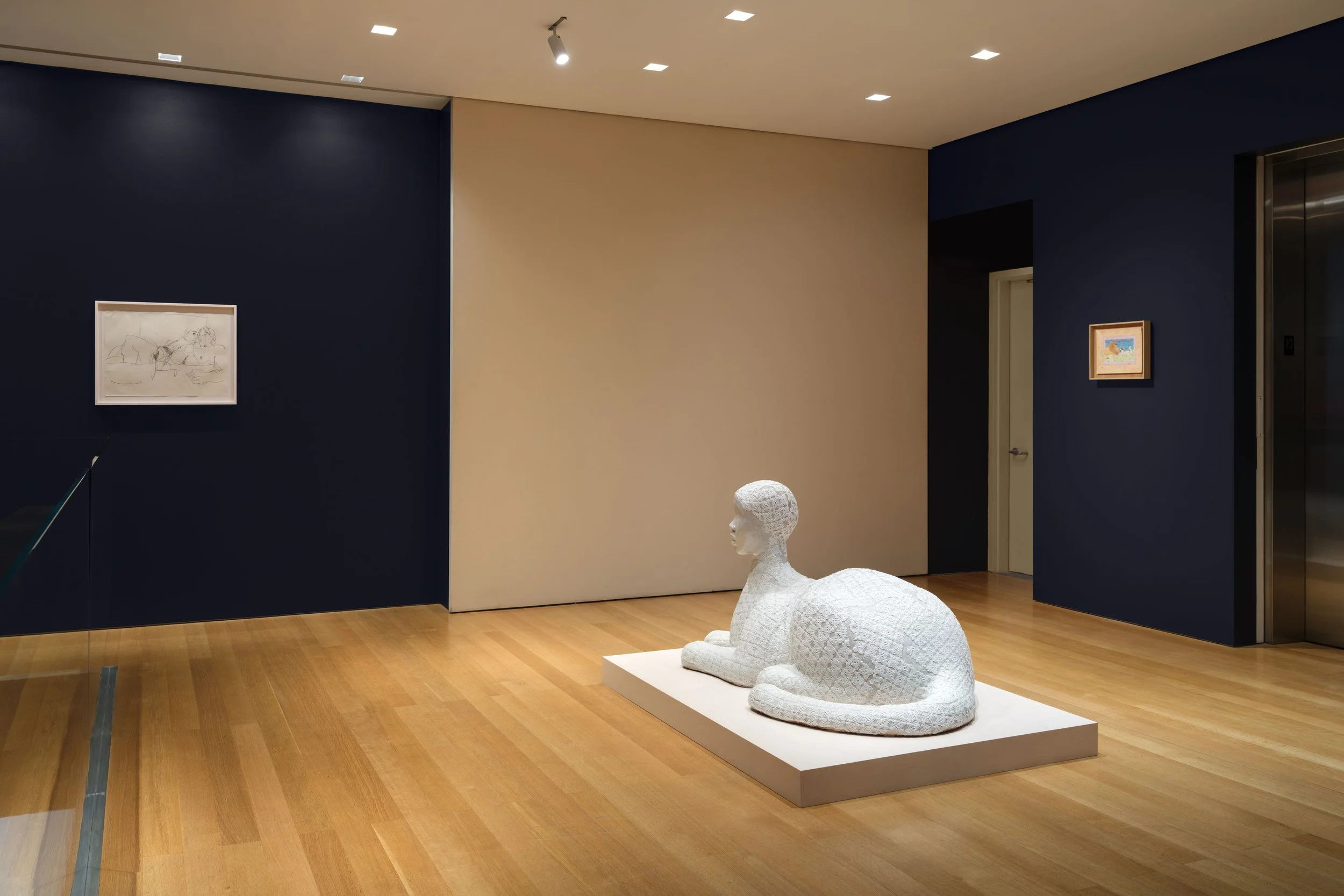
Installation view of S-Curve at The FLAG Art Foundation, 2026
Photography by Steven Probert Studio
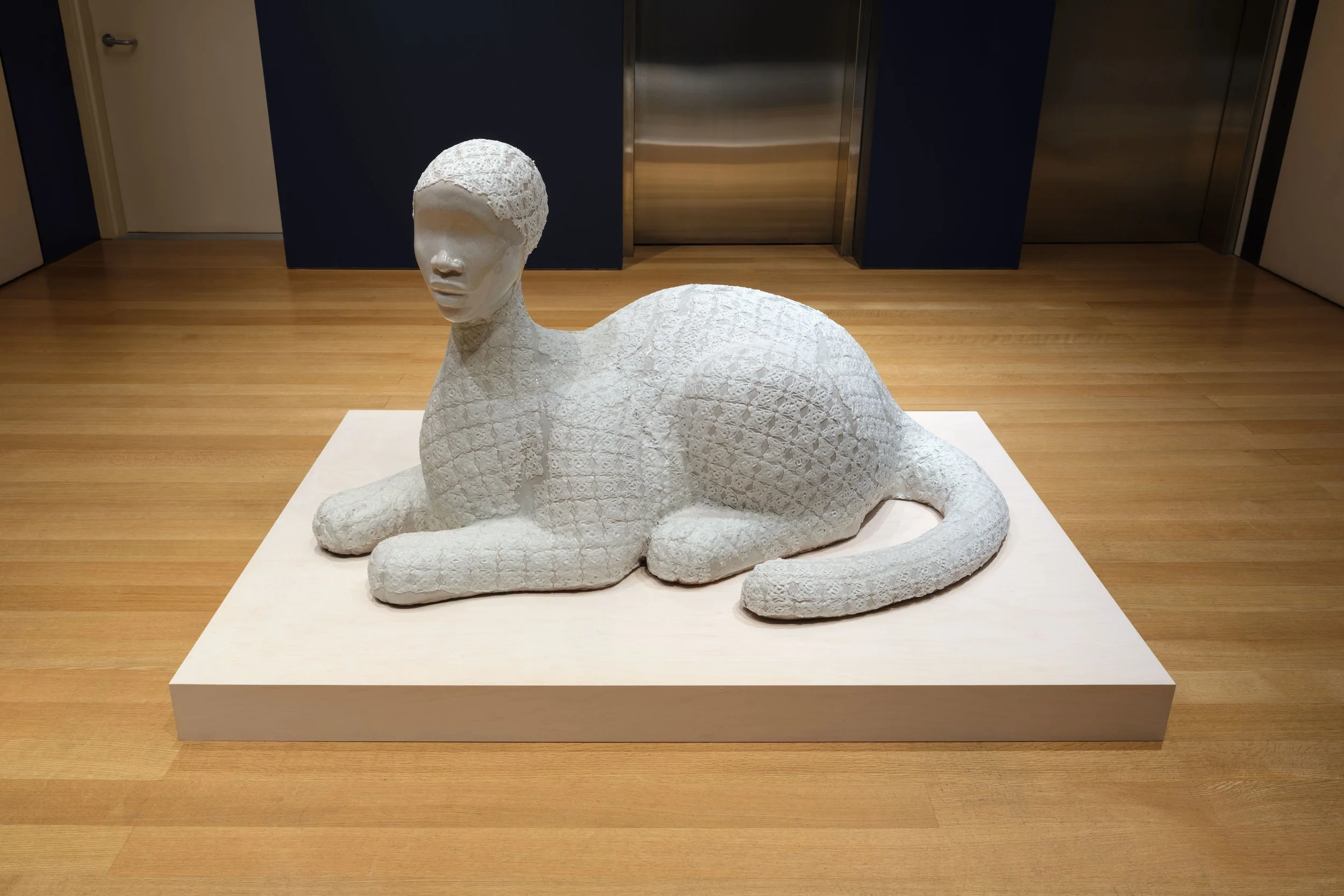
Installation view of S-Curve at The FLAG Art Foundation, 2026
Photography by Steven Probert Studio
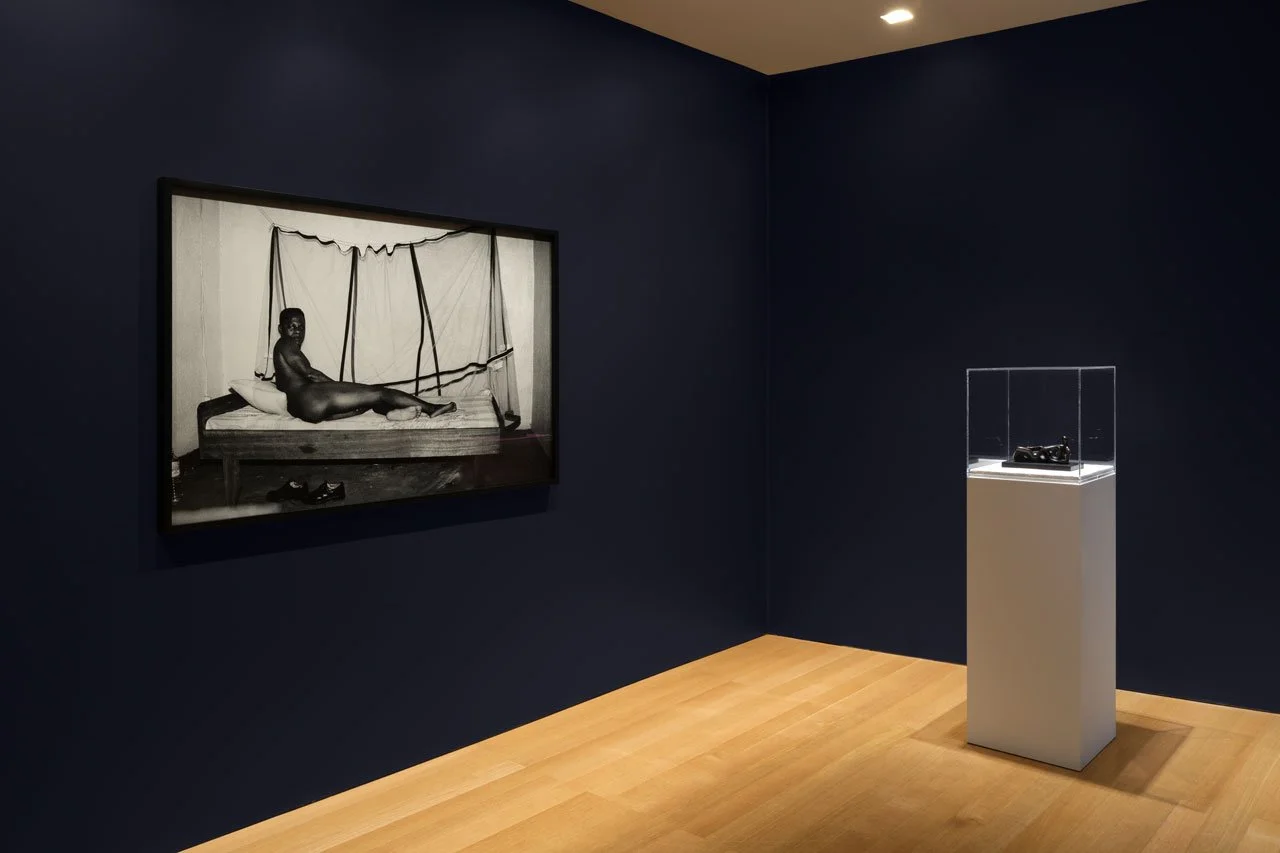
Installation view of S-Curve at The FLAG Art Foundation, 2026
Photography by Steven Probert Studio
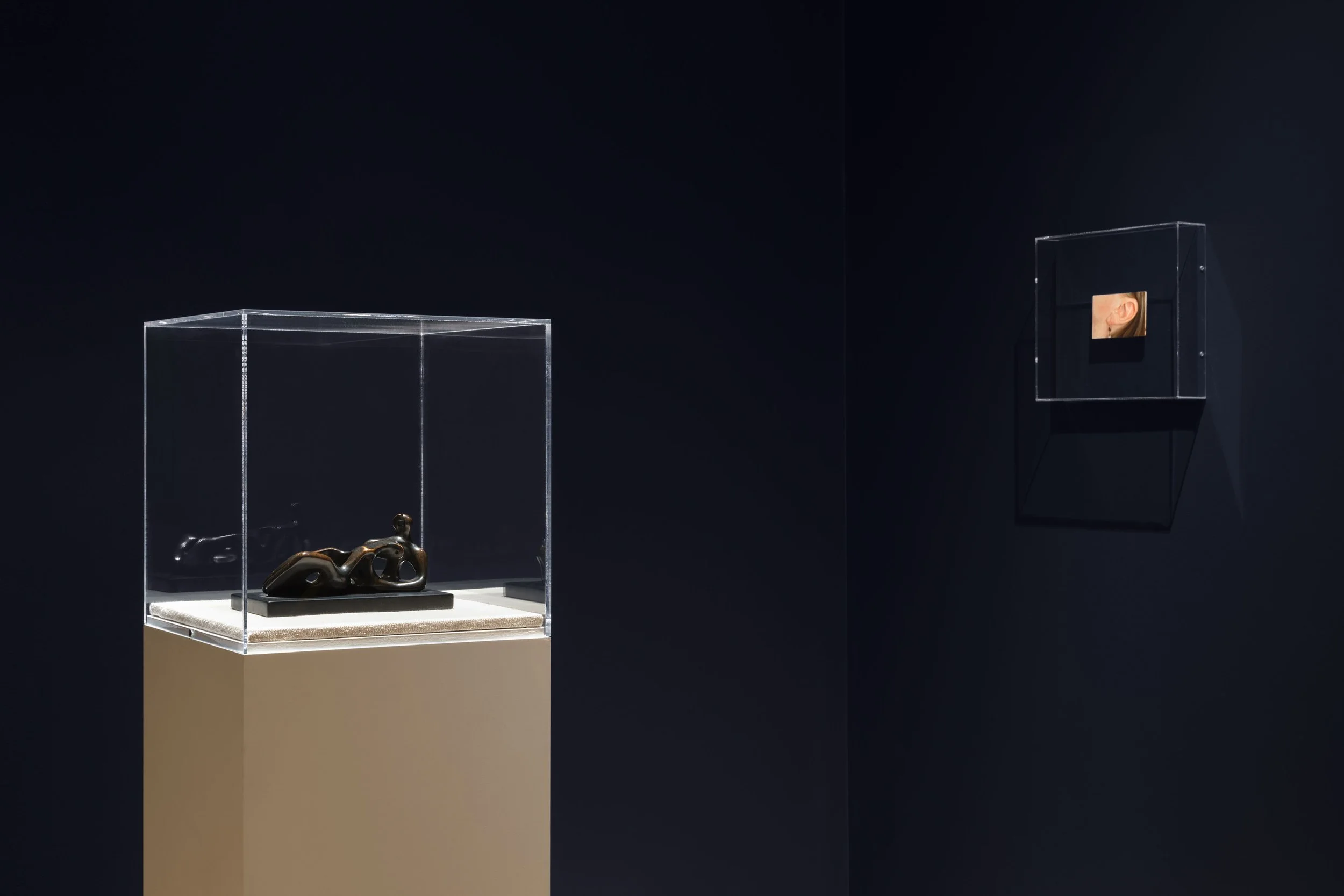
Installation view of S-Curve at The FLAG Art Foundation, 2026
Photography by Steven Probert Studio
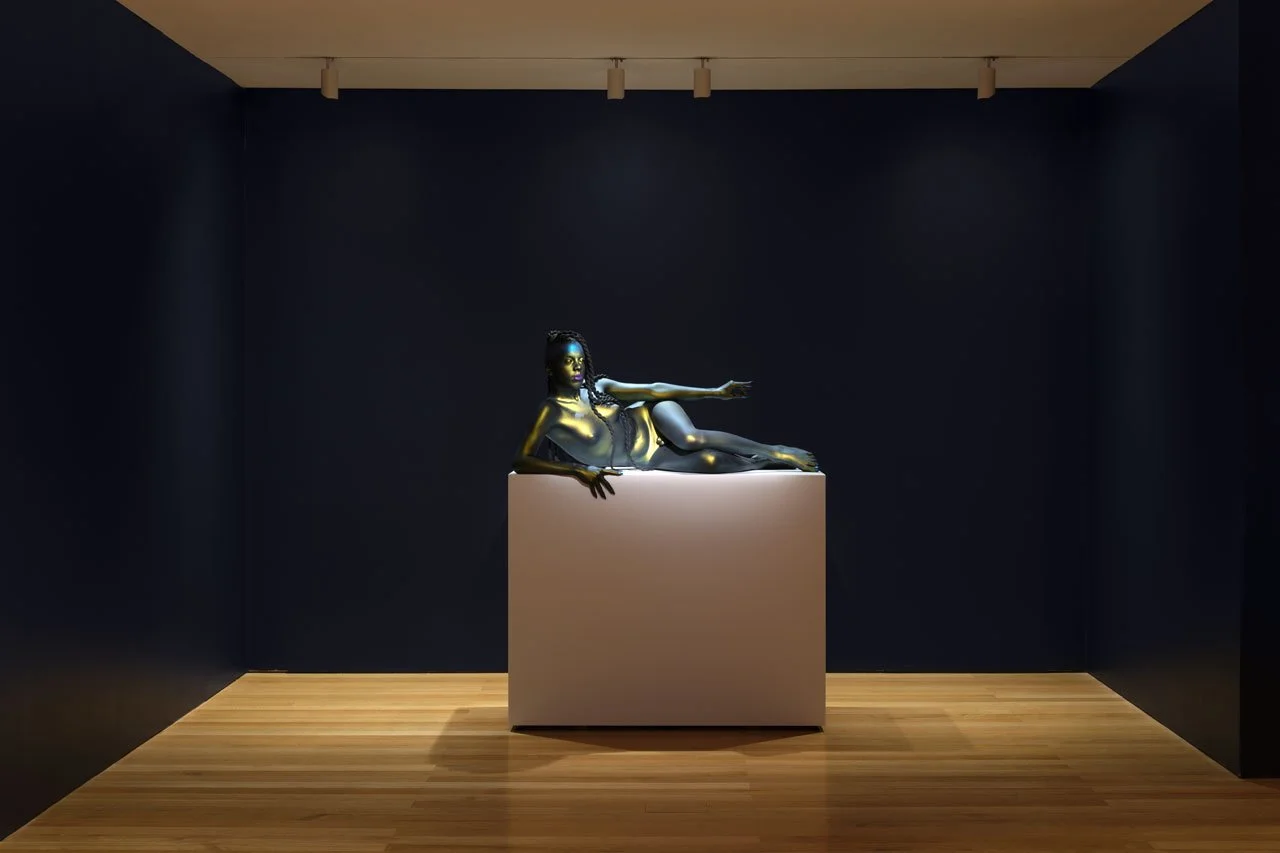
Installation view of S-Curve at The FLAG Art Foundation, 2026
Photography by Steven Probert Studio
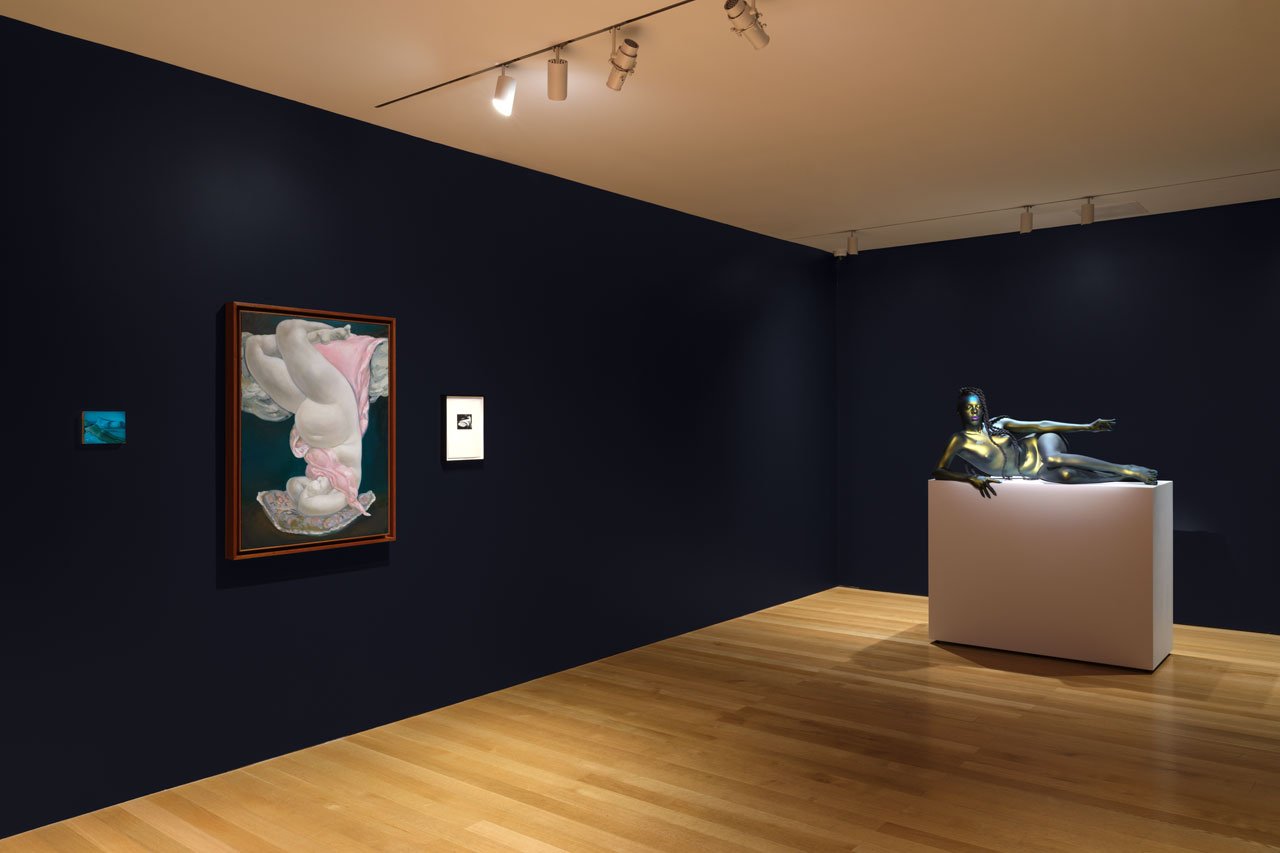
Installation view of S-Curve at The FLAG Art Foundation, 2026
Photography by Steven Probert Studio
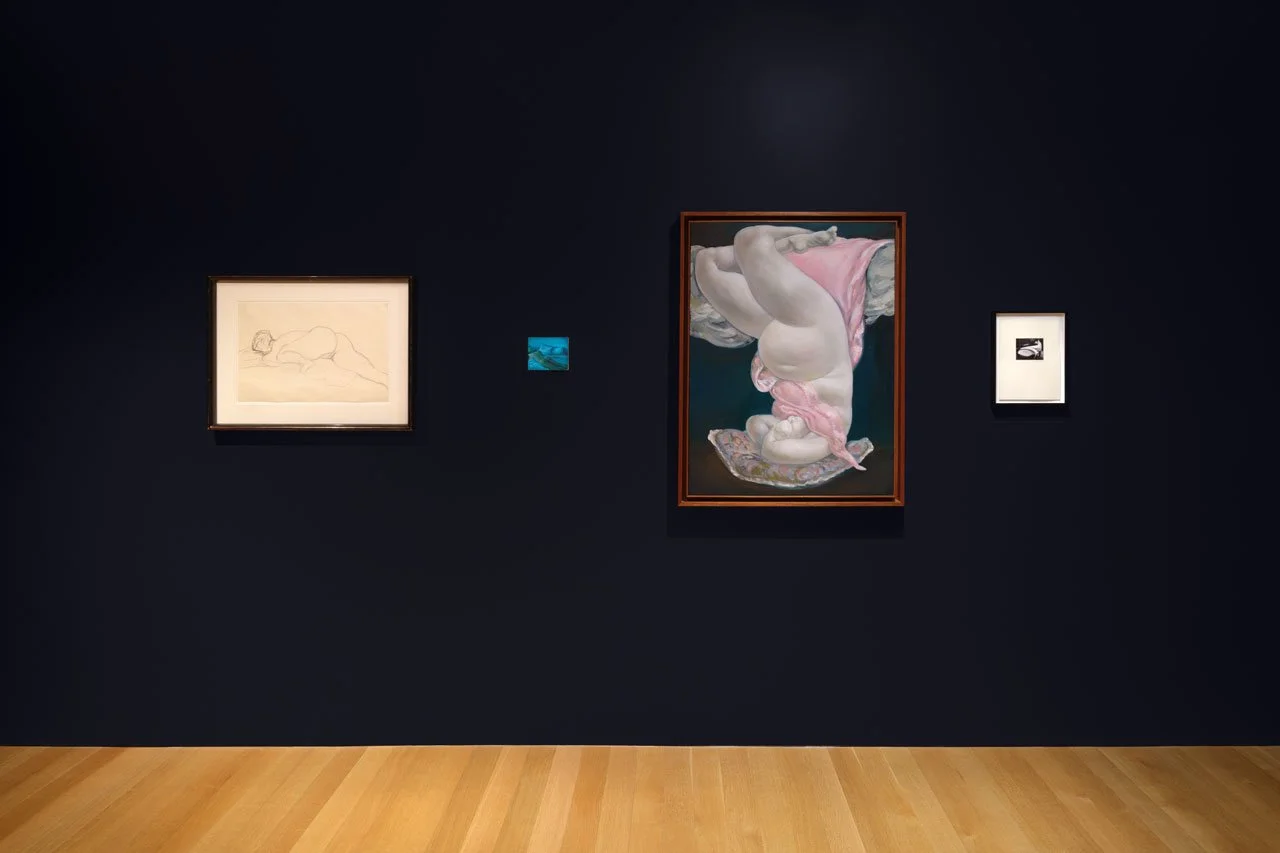
Installation view of S-Curve at The FLAG Art Foundation, 2026
Photography by Steven Probert Studio
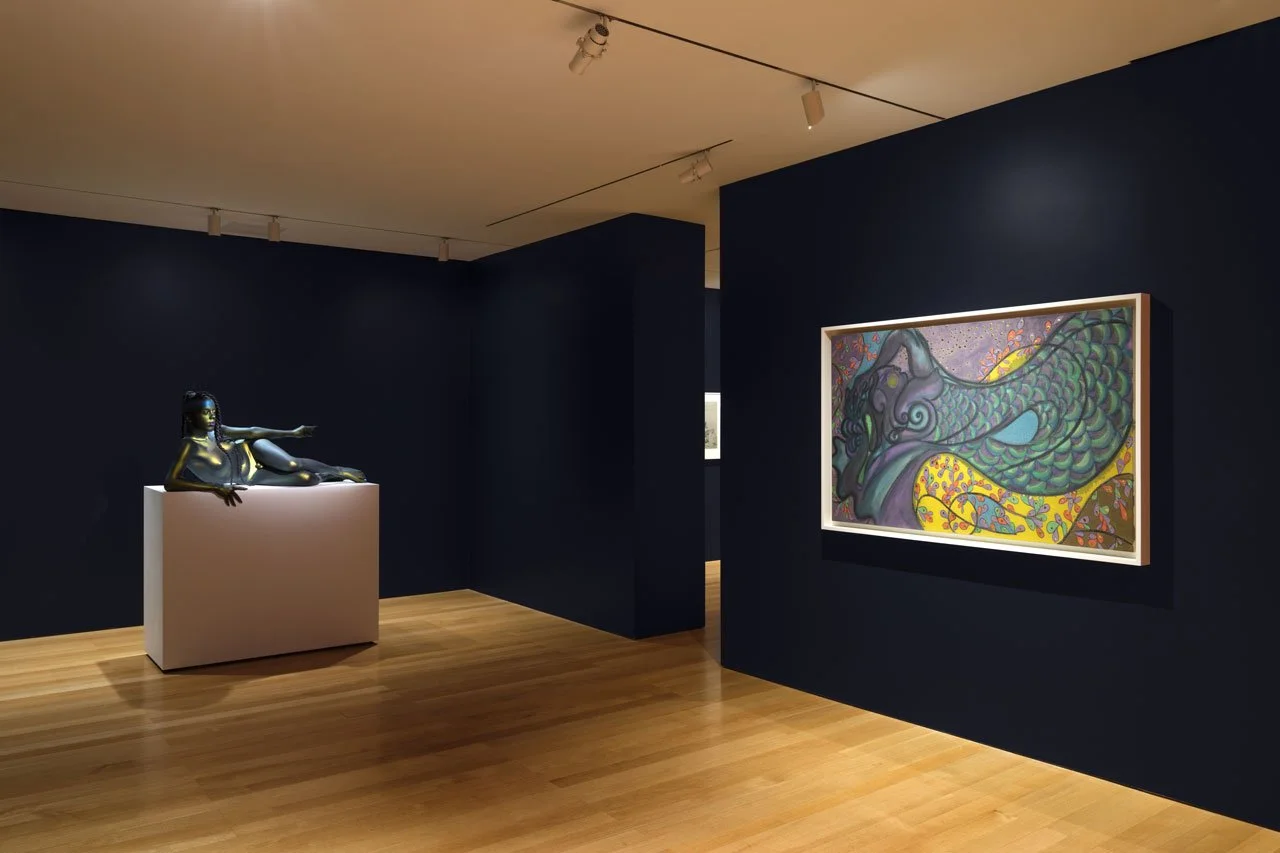
Installation view of S-Curve at The FLAG Art Foundation, 2026
Photography by Steven Probert Studio
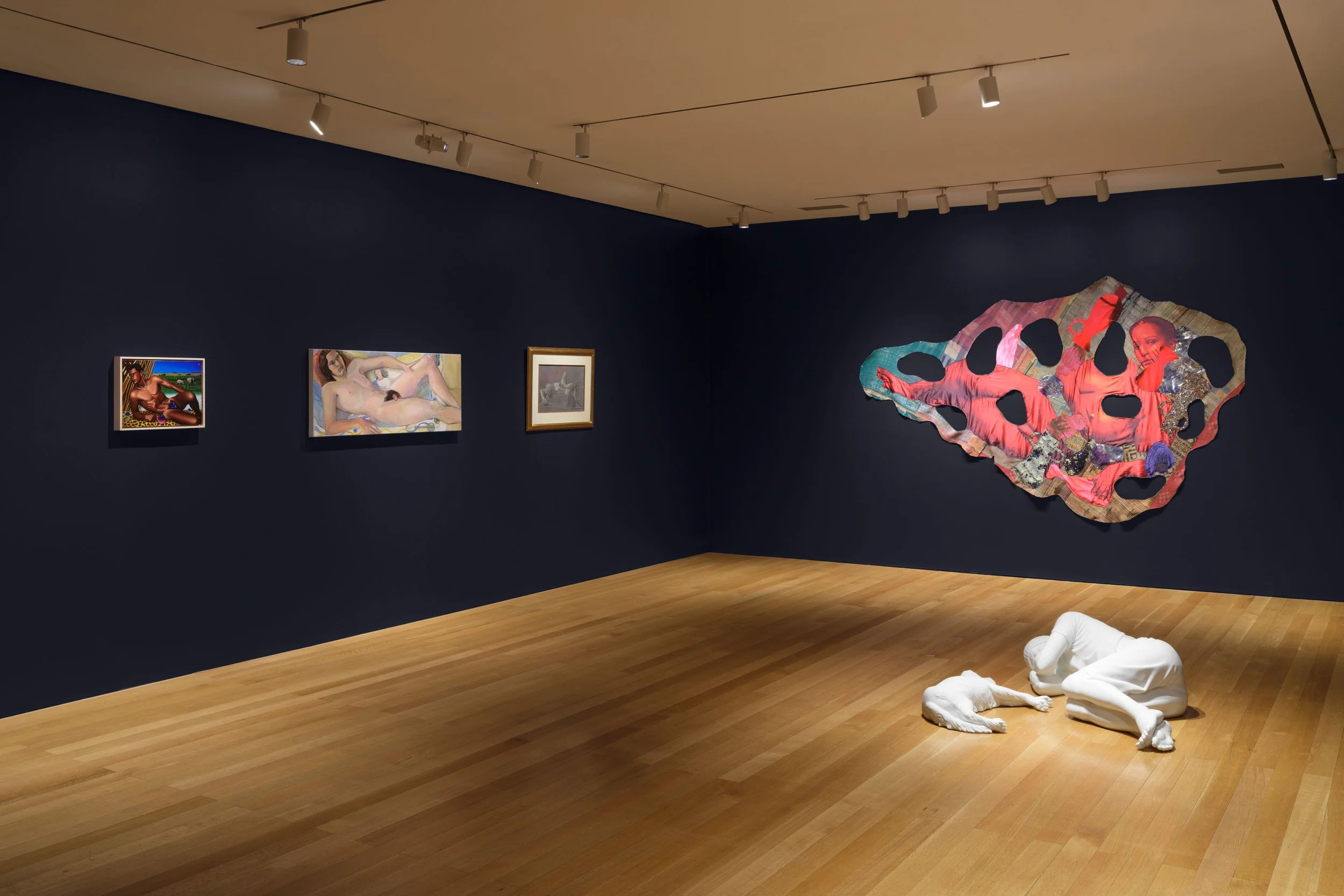
Installation view of S-Curve at The FLAG Art Foundation, 2026
Photography by Steven Probert Studio
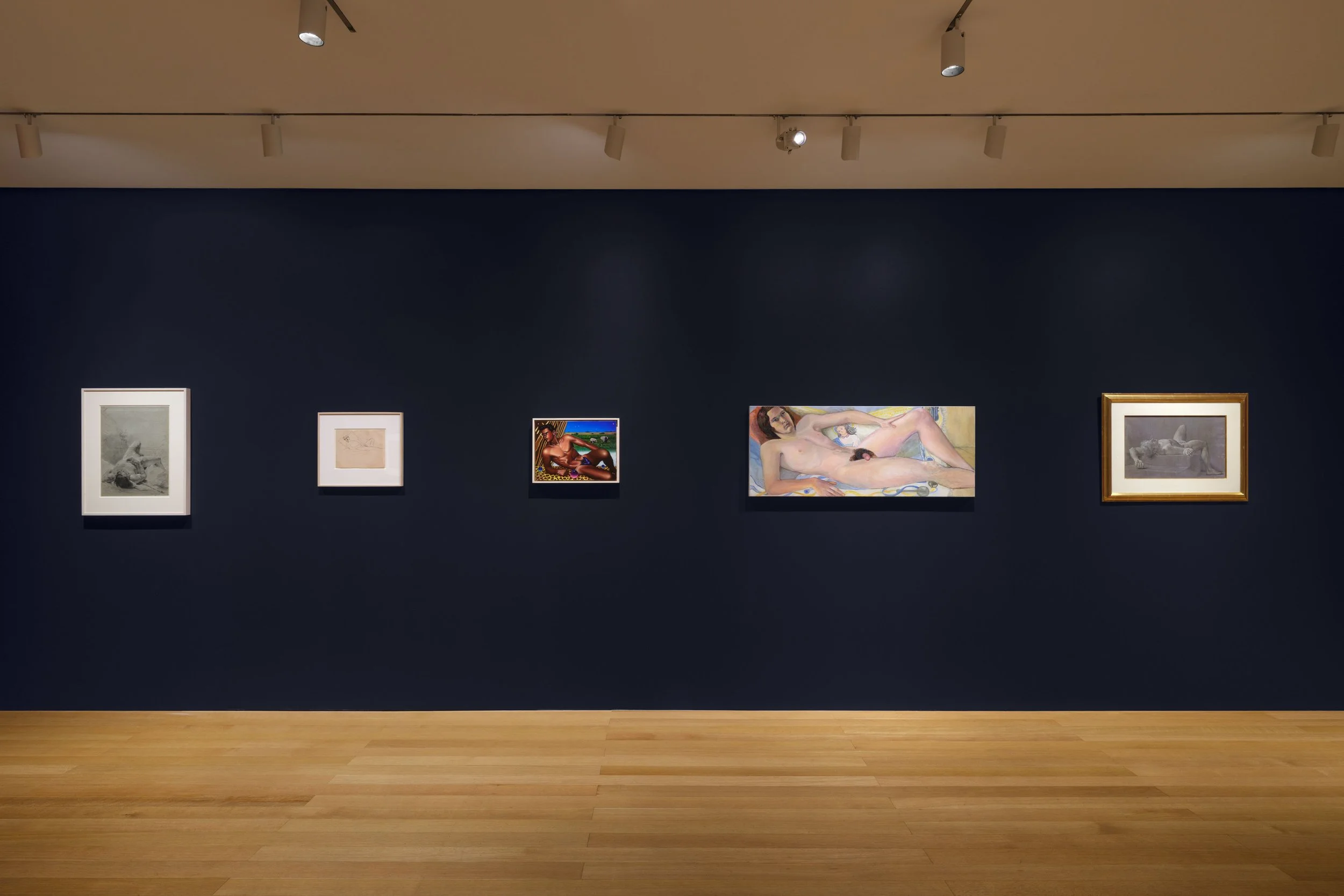
Installation view of S-Curve at The FLAG Art Foundation, 2026
Photography by Steven Probert Studio
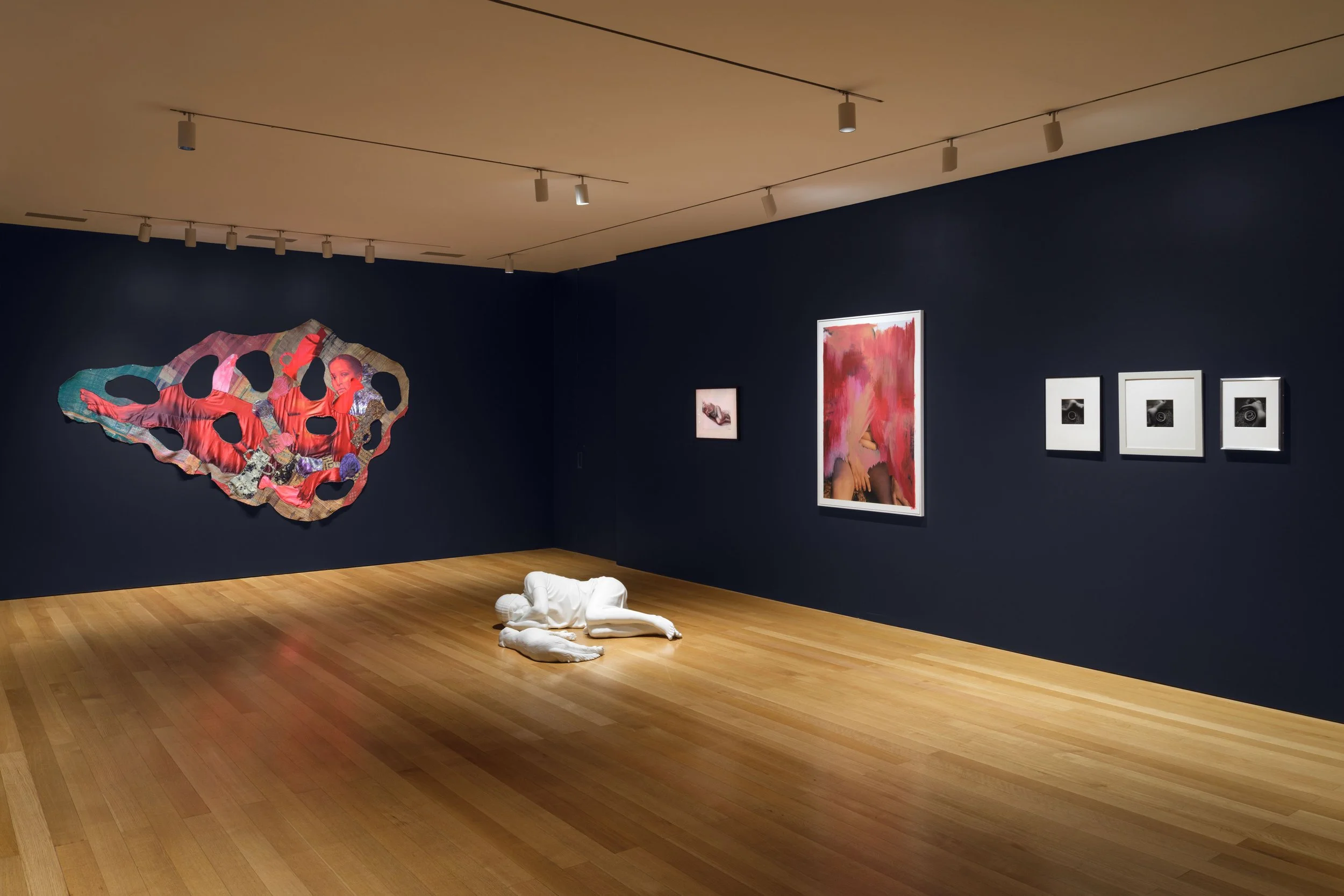
Installation view of S-Curve at The FLAG Art Foundation, 2026
Photography by Steven Probert Studio
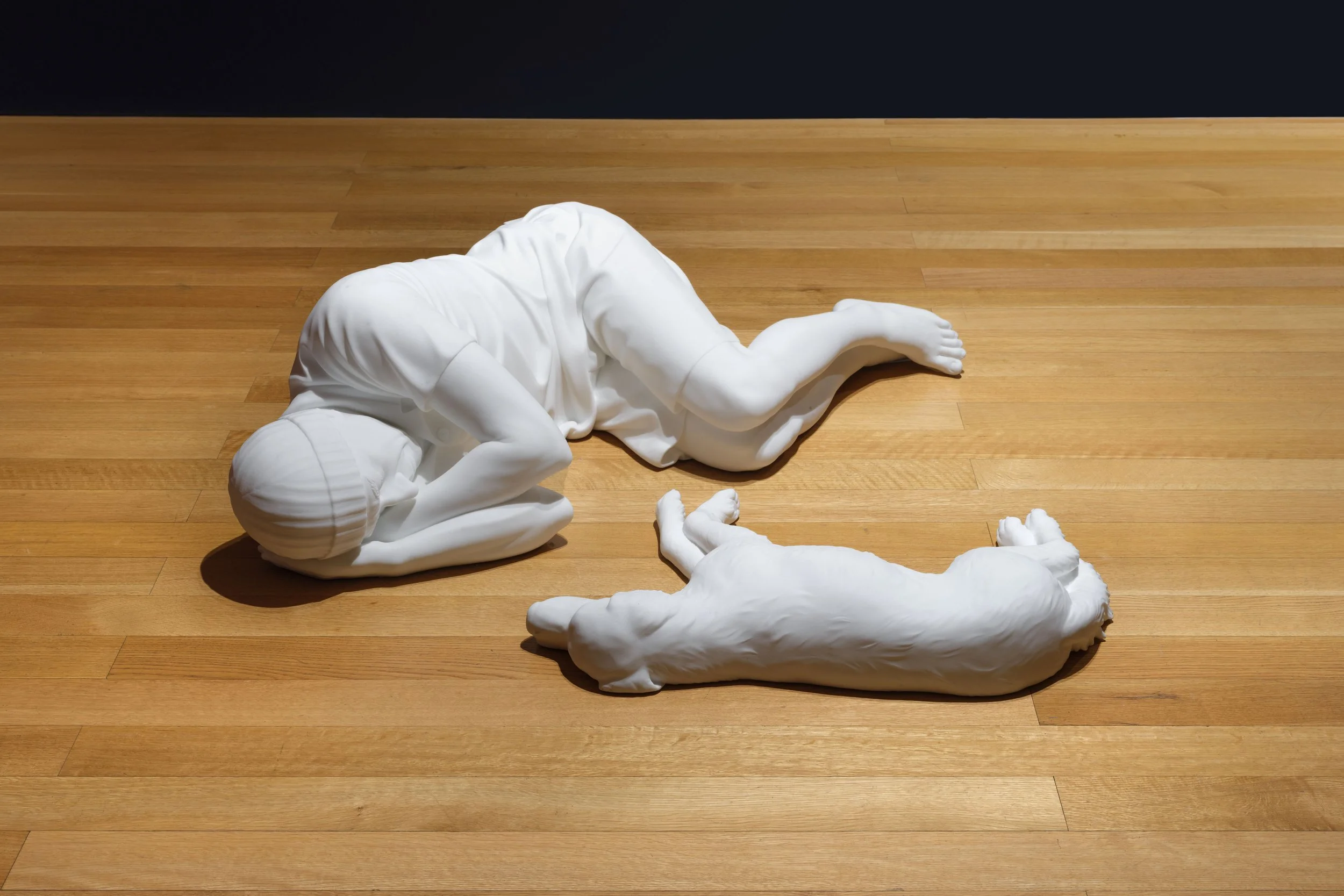
Installation view of S-Curve at The FLAG Art Foundation, 2026
Photography by Steven Probert Studio
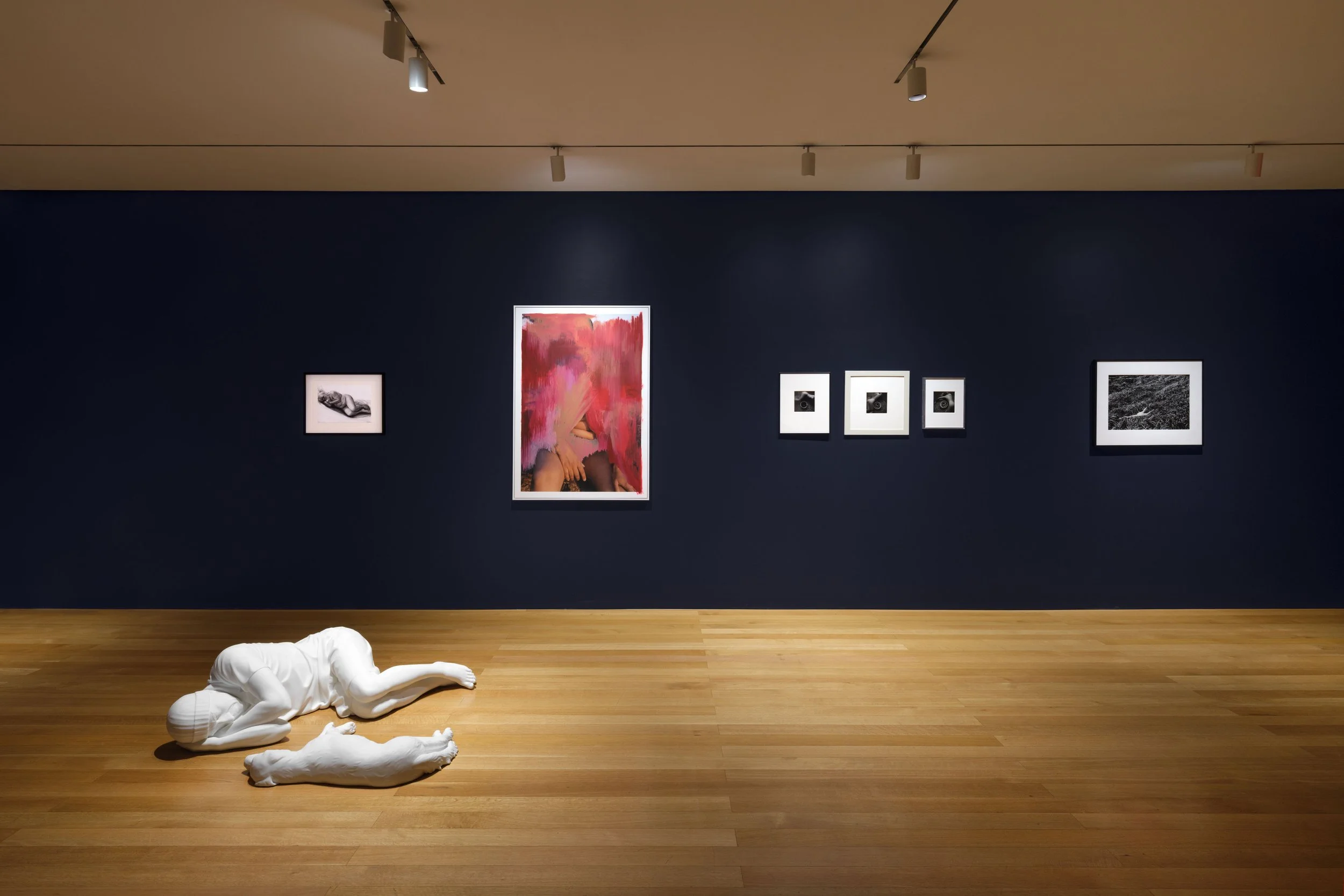
Installation view of S-Curve at The FLAG Art Foundation, 2026
Photography by Steven Probert Studio
S-Curve
FEBRUARY 12-APRIL 25, 2026
Click here for the checklist.
The FLAG Art Foundation is pleased to announce S-Curve, a group exhibition bringing together artworks from the 18th century to present day that reflect on the human body in an active state of repose. Encompassing an array of eras, media, and formal approaches, the exhibition illustrates the elasticity of an art historical trope and underscores the complexities and possibilities present in contemporary depictions of the body.
While both academic and scientific representations of the human body privilege anatomical exactness—with strict attention paid to what can be codified and standardized—artists throughout history have just as often taken the body to be a gateway to so many fantastic and surreal forms. The artists in S-Curve interpret the figure at rest through its historically familiar expressions, such as the reclining nude, to more contemporary and challenging forms that see it as being between motion and stasis, between gender and subjectivity. Rather than situate the body as a form fixed and unchanged across time, the exhibition instead uses a wide historical lens to show how the human figure has, for centuries, been a constant source of surprise and invention.
Artists include Steven Assael (b. 1957), Cristina BanBan (b. 1987), Frank Benson (b. 1976), Louise Bonnet (b. 1970), PaulCadmus (1904-1999), Maurizio Cattelan (b. 1960), Amie Dicke (b. 1978), AwolErizku (b. 1988), Samuel Fosso (b. 1962), Sadao Hasegawa (1945-1999), AndréKertész (1894-1985), Gustav Klimt (1862-1918), Elaine de Kooning (1918-1989), Simone Leigh (b.1967), Heather V McLeod, Henry Moore (1898-1986), Daido Moriyama (b. 1938), Ambrose Rhapsody Murray (b. 1996), Chris Ofili (b. 1968), Giovanni Battista Piazzetta (1682-1754), Hiba Schahbaz, Sylvia Sleigh (1916-2010), Adriel Visoto (b. 1987), and Francesca Woodman (1958-1981).
The exhibition will be accompanied by two life drawing sessions, presented over the course of the exhibition, on the following dates: Thursday, February 19, 6-8 PM, and Thursday, March 12, 6-8 PM. Materials will be provided.
Repose as Allegory: Following the S-Curve
By Dr. Jessica Ziegenfuss
Displayed against sumptuous blue walls, the artworks included in the group exhibition S-Curve feature a wide-ranging collection of paintings, drawings, and sculptural works spanning the eighteenth century to the present day. Varied in medium and style, the theme tying these artworks together is the titular “S-curve,” which follows an undulating horizontal line as it traverses the contours of bodies in numerous states of repose—an active position of lying down. I invite readers to join me on a journey of reflection on how the reclining figure enters and exits art-historical and cultural-studies discourse. Rather than offering a singular interpretation of the artworks in S-Curve, I stage a visual conversation with the reclining figure's appearances throughout Western art history to showcase its endless nuances and complexities.
There are different terms for the human body in repose: prone, supine, and prostrate. While repose refers to a general state of lying down, the tripartite classification of prone, supine, and prostrate provides nuance in categorizing the body position of this reclining figure. Prone indicates a figure recumbent on the ground face-forward, while supine faces upward. Prostrate also implies reclining face-forward as an act of supplication to some type of external force. These words convey meanings beyond mere descriptions of a figure’s position: prone connotes susceptibility or vulnerability; supine denotes idleness or controllability; and prostrate denotes surrender. The invisible throughline connecting these words and ideas is that of submission or lack of control—a human figure having zero inertia.
The passivity and submissiveness tied to the reclining female nude is a site of great academic debate, particularly in relation to ideals of feminine beauty, whiteness, and sexuality. Writing in 1973, art historian Carol Duncan sees this figure, placed in fantastical landscapes and intimate studio spaces, as a vehicle for male artists to assert power and possession over women, treating them as both wild and tamable objects.[1] The same year, cultural critic John Berger published Ways of Seeing, featuring an entire chapter of reproduced female nudes from art history and advertising. He presents the famous thesis that the continual recycling of these images disciplines a form of spectatorship in which women submissively appear.[2] Other factors, including gender, sex, race, ethnicity, and class, compound the dichotomy between activity and passivity. Within S-Curve, two artworks demonstrate the interventions of scholars like Duncan and Berger but also complicate these theories further. Samuel Fosso’s Mémoire d'un Ami, (Memory of a friend) (2000), and Awol Erizku’s Aziza (2013) directly appropriate the reclining female nude from Jean-Auguste-Dominique Ingres’s Grande Odalisque (1814), with significant changes to the original. Both place the reclining nude in unvarnished domestic spaces that interrogate the viewer’s intentions for looking. They deconstruct the strict female-as-passive and male-as-active dynamic, but also the racialized, gendered, and colonial viewpoint fueling the sexual phantasmagoric scene of the odalisque[3] –terminology referring to a woman belonging to a harem.
On the subject of race and the reclining female nude, Lorraine O’Grady poignantly asked readers in her 1992 essay on Édouard Manet’s Olympia (1863) to look at the painting's periphery, specifically the model named Laure, focusing on the perspective of a Black female figure.[4] Viewed from this vantage point, we see how the reclining female nude limits the possibility of looking back from a critical standpoint. This “looking bark” is seen in two sculptures within S-Curve, Simone Leigh’s Sphinx (2022-23) and Frank Benson’s Juliana (2015). The former artwork, made from ceramics, transforms the famous ancient Egyptian sphinx. Leigh’s artwork looks back at us from the position of a contemporary monument to the past, which challenges where textbooks and museums typically place African history—in a past far away. By making the sculpture from porcelain, which yields its bright white finish, the sculpture complicates assumptions about aesthetics and race in Classical antiquity, particularly regarding the whiteness of Roman marble statues.[5] Benson’s Juliana combines traditional mediums of sculpture—bronze—with a modern material—acrylic polyurethane—in a reclining nude that also harkens back to antiquity, the Hellenistic Sleeping Hermaphroditus. [6] This work, looking back to ancient forms, demonstrates that elasticity has always been historically tied to the figure in repose, often symbolizing the human body in multiplicity rather than a singularity, confronting norms surrounding racial, gender, and bodily sex.
In S-Curve’s inclusion of Giovanni Battista Piazzetta’s A nude youth sprawled on his back, upon a bank, lying on a standard (1720) and Paul Cadmus’s Male Nude NM16 (1965), viewers encounter male bodies in repose, lacking the heroic virility associated with the vertical stance and nudity. These intimate scenes of vulnerability present spaces where diverse forms of masculinity can exist. Writing in 2002, art historian Tamar Garb examines the plasticity of the male figure in the artworks of Gustav Caillebotte, where reclining men at their baths in ordinary domestic settings undercut the assertive energies and purely formal appreciation associated with the male figure. Instead, the immobilized, passive male body shows the viewer an unaccustomed visual that commands our attention.[7] More recently, in 2014, art historian David J. Getsy discusses the performativity of passivity in artworks associated with stillness.[8] We can see the reposing body as having a “confrontational inertness,” rather than idleness, controllability, or supplication. These figures refuse to move, respond, or submit to the viewer, such as in Steven Assael’s Henry (2021) and Adriel Visoto’s Little Nap III (2025). This performative act occurs in both male and female reclining poses, as they make viewers contend with seeing the motionless supine body as an active figure in its ability to resist verticality.
While all the artworks in S-Curve captivate me, a particular set of photographs stands out. The first is a black-and-white gelatin silver print featuring a nude body lying face down in a field of spiky, unruly grass. The light reflecting off bare skin punctuates the lower left of the photograph, allowing our eye to follow the curve of one hand and arm, back, and buttocks, and splayed legs diagonally moving amongst the leaves. The prone body, partly obscured in the hollows, presents a viewer with an androgynous figure that appears to float, almost in a state of active suspension, hovering between the air and the ground beneath. This image, Kagerou (Mayfly), by Daido Moriyama, is part of the Japanese artist’s photography collection, published in 1972 under the title Kagero (Dayfly/Mayfly). The other artworks are three Untitled gelatin silver prints by Francesca Woodman from the late artist’s 1978 Eel Series. Using her own bare body, Woodman contorts in a manner mimicking the outline of an eel in a bowl on the floor. Both human and eel twist and turn in a blurred dissociative state, visualizing an interspecies entanglement locked in a trance-like dance.
Moriyama’s Kagerou (Mayfly) and Woodman’s Eel Series interrogate the elasticity of the reposing body in relation to how humans relate to our immediate environment and the plants and animals that live there. The word Kagerou has two related meanings in natural phenomena: the first refers to the mayfly insect (蜉蝣), and the second to the atmospheric effect known as the mirage (陽炎). The mayfly spends most of its life underwater as a nymph, emerging as an adult from May to November. Living only a few hours or days, they fly in massive, disruptive swarms before they finally fall to the earth, covering streets, cars, and buildings with their carcasses. The eel also spends its life in murky, brackish water, often hunting at night. Because of their settings and life cycles, eels symbolize transformation and adaptability, while the mayfly connotes the fleetingness of life. Both artworks situate the horizontal human figure in the same setting and life cycle as these creatures, aligning humanity with these processes rather than placing it outside them.
The artworks in S-Curve reveal the reclining figure as malleable rather than static. One can describe this elasticity in terms of what influential art critic Craig Owen in 1980 described as an “allegorical impulse.”[9] The reclining human figure serves as an allegory, inspiring a range of readings that examine its implicit motives and desires. Rather than being dogmatic, an allegorical impulse seeks to redeem the allegory’s past into the present, becoming a pliable force when reinterpreting well-trodden images. In the exhibition S-Curve, the gathering of artworks expresses an allegorical impulse, opening the possibility of seeing the figure in repose as resilient yet adaptable. The elasticity of the reclining figure opens the possibility for strange permutations, perhaps uncanny or surreal, as the curving horizontal line breaks through the boundaries between what is active and passive, real and unreal, and human and not-human.
[1] Carol Duncan, “Virility and Domination in early 20th Century Vanguard Painting,” Artforum Vol. 12, No. 4, (December 1973).
[2] John Berger, Ways of Seeing (Penguin Randon House, 1990).
[3] An odalisque in art is a Western, 19th-century artistic genre portraying a reclining female nude, typically as a concubine or slave within a Turkish harem. These paintings, popularized by European artists like Ingres, are characterized by idealized figures in luxurious, "Orientalist" settings. They often served as stylized, eroticized fantasies of the Middle East rather than accurate depictions of life.
[4] Lorraine O'Grady, “Olympia's Maid: Reclaiming Black Female Subjectivity,” Afterimage 20 No. 1 (Summer 1992).
[5] For an excellent discussion of race and aesthetics in antiquity, see Margaret Talbot’s “The Myth of Whiteness in Classical Sculpture,” The New Yorker (October 22, 2018).
[6] Pliny the Elder’s ((23 – 79 AD) Natural History attributes a statue of Hermaphroditus to the Greek sculptor Polycles, likely made in the 2nd century BCE. Polycles’s work was then reinterpreted by an unknown sculpture in the Roman period and later further reworked by Andrea Bergondi (1721-1789); known as the Sleeping Hermaphroditus, the sculpture currently resides at the Galleria Borghese in Rome.
[7] Tamar Garb, “Masculinity, Muscularity, and Modernity in Caillebotte's male figures,” in Gustave Caillebotte and the Fashioning of Identity in Impressionist Paris, ed. Norma Broude (Rutgers University Press, 2002).
[8] David J. Getsy, “Acts of Stillness: Statues, Performativity, and Passive Resistance,” Criticism Vol. 56 No. 1 (Winter 2014).
[9] Craig Owen, “The Allegorical Impulse: Toward a Theory of Postmodernism,” October Vol. 12 (Spring, 1980).
About:
Dr. Jessica Ziegenfuss is Assistant Professor of Art History at Texas A&M International University. Her scholarship focuses on modern and contemporary art, visual studies, and critical theory, with specific interests in political ecology, environmental aesthetics, materiality, scale and spatiality, process-based art, and site-specificity. She is also an art critic and independent curator who has organized virtual and in-person exhibitions in association with collections of photography, art, and ephemera.
S-Curve is organized by The FLAG Art Foundation, which gratefully acknowledges the artists, their galleries, and various private lenders for their generous loans to this exhibition.
#SCurve